🌟 Executive Summary & Internal Martial Arts Context
The practice of Water Tai Chi Neigong (internal alchemy) transforms the body from within, offering timeless rejuvenation especially for practitioners entering their second half of life. While external exercise depletes glycogen and stresses joints, internal cultivation preserves essence (Jing), refines vital breath (Qi), and nurtures spirit (Shen). Through slow, deliberate circular spirals, internal micro-circulation is activated, flushing out deep cellular stagnation.
- Biomechanical Efficiency: Awakening the Primordial Yuan Qi stored in the kidneys to restore physical vigor and emotional equanimity.
- Fascial Elasticity: Using micro-perspiration (Wei Han) as a natural detoxifier to purge deep tissue heat and metabolic waste.
- Mind-Qi Regulation: Decompressing spinal discs and nourishing synovial fluids through non-impact rhythmic movement.
📜 Complete Masterclass Lecture Transcript & Commentary
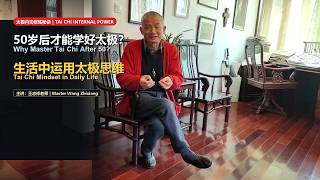
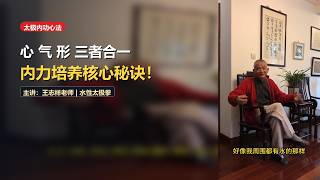
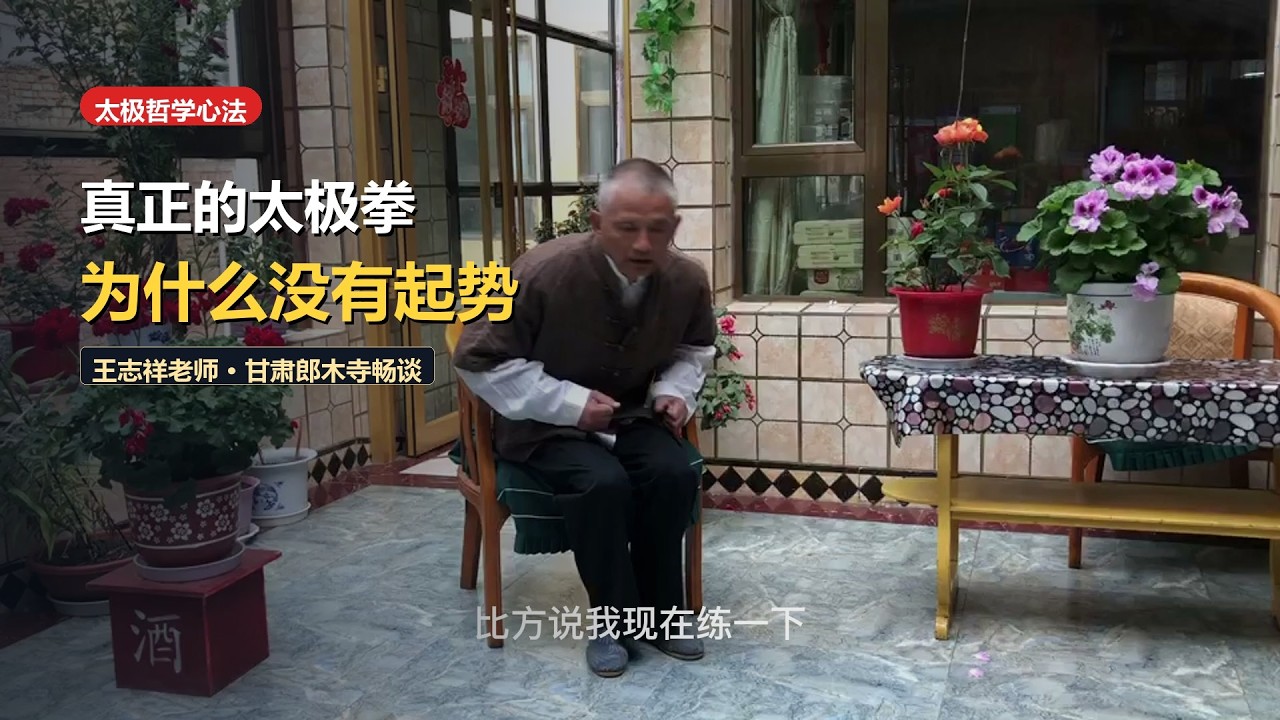
The following instructional transcript documents Master Wang Zhixiang's verbal transmission during this live lesson, segmented into core progression chapters with accompanying internal martial cues:
00:00 - 01:10 Chapter 1: Foundational Biomechanics & Spatial Alignment
In this initial stage of Does Authentic Tai Chi Truly Have an 'Opening Posture'? The Wuji Mystery, Master Wang Zhixiang establishes the foundational geometry necessary for internal martial practice. Philosophical dialogue at Langmusi Monastery on stillness in motion and the boundless void of Wuji. The physical body must eliminate all habituated musculoskeletal rigidity. By relaxing the shoulders, dropping the elbows, and releasing tension in the pelvic joints (Kua), the practitioner creates an open architectural channel through which vital intention and breath can circulate unobstructed without muscular blockage.
Maintain the circular integrity of the crotch (Dang). Never allow the knees to collapse inward.
01:10 - 02:20 Chapter 2: Internal Energy Flow & Intentional Guidance (Yi Leads Qi)
Moving beyond mechanical choreography, the second phase focuses on the subtle interplay of Mind (Yi) and Energy (Qi). In Water Tai Chi, external limbs do not move independently; rather, they are carried forward by the internal expansion of intra-abdominal pressure and spherical dantian breathing. When the mind rests peacefully in the lower abdomen, the cellular matrix throughout the spine and extremities resonates with buoyant vitality.
Breathe through the dantian rhythm; do not force air down, allow intra-abdominal pressure to soften.
02:20 - 03:05 Chapter 3: Dissolving Resistance through Buoyancy & Liquidity
Here, Master Wang illustrates the defining quality of the Water Style: total lack of brittle resistance. In Push Hands (Tuishou) or solo form, meeting incoming pressure with muscular force invariably produces structural breakage. Instead, imagine your body as an undulating wave or a ship floating on ocean currents. Yielding does not signify passive collapse; it represents dynamic adherence (Zhan, Nian, Lian, Sui) that redirects hostile vectors into ground emptiness.
Notice the subtle warmth radiating from the center; this is the awakening of Primordial Yuan Qi.
03:05 - 03:45 Chapter 4: Centrifugal Spiral Dynamics & Whole-Body Power (Jin)
As the movements deepen, internal force (Jin) develops through continuous rotational winding along the myofascial sheaths. Power is never generated in the arms; it originates from the feet, is commanded by the waist and hips, and expresses outwardly through supple fingertips. This spherical coil allows an adept to release explosive kinetic impulse (Fa Jin) effortlessly without tense preparation.
Stick, adhere, connect, and follow (Zhan, Nian, Lian, Sui); never resist incoming pressure head-on.
03:45 - End Chapter 5: Dynamic Stillness, Cellular Recovery & Daoist Integration
The final phase integrates dynamic movement back into primordial tranquility (Wuji). As heart rate slows and breathing becomes whisper-soft, a soothing micro-perspiration (Wei Han) cleanses the meridian pathways. This marks the culmination of the masterclass, where martial practice transforms into living meditation, nourishing longevity, calming the nervous system, and restoring innate vitality.
Calm the thinking mind (Yi) and anchor your consciousness below the navel for deep cellular restoration.
🥋 4 Fundamental Principles for Daily Practice
Integrate these four physiological anchors into every repetition of this form or exercise:
Kidney Warming & Mingmen Resonation
Through rounded pelvic movement and gentle waist turning, the kidneys are rhythmically compressed and expanded, stimulating vitality and counteracting fatigue.
Micro-Sweat Cleansing (Wei Han)
Never exert yourself to heavy panting or profuse cold sweating. In Neigong, true purification occurs when a gentle, warm micro-sweat emerges along the spine and forehead.
Marrow Washing & Bone Density
By sinking weight cleanly through the skeletal axis rather than tense muscle fibers, ground reaction force gently compresses bone marrow, promoting cellular regeneration.
Stillness in Motion & Vagal Activation
Keep the heart calm and the eyes softly focused. This shifts the autonomic nervous system into parasympathetic dominance, lowering cortisol and boosting deep healing.
❓ Frequently Asked Questions by Serious Practitioners
Master Wang addresses the most common obstacles encountered when cultivating internal stillness and martial agility:
📖 Essential Internal Martial Arts Glossary (Glossario)
Key Chinese martial terminology explained through anatomical and energetic mechanisms:
| Traditional Term | English Translation | Internal Bio-Mechanical Meaning |
|---|---|---|
| Neigong (内功) | Internal Skill / Cultivation | Systematic disciplines focused on circulating Qi, tendon transformation, and spiritual composure. |
| Yuan Qi (元气) | Primordial Qi | The inherited prenatal vitality rooted in the kidneys, essential for long life and cellular immunity. |
| Wei Han (微汗) | Micro-Perspiration | A delicate warm sheen of sweat indicating optimal capillary vasodilation without energetic depletion. |
| Jing (精) | Vital Essence | The foundational biochemical and hormonal substrate of the physical body, transformed into Qi through Neigong. |
| Shen (神) | Spirit / Consciousness | The luminous mental awareness that remains serene and alert during internal martial movement. |
Water Tai Chi is an empirical science that cannot be mastered through intellectual reasoning alone. It requires regular tactile feedback, mindful repetition, and continuous release of habitual physical holding patterns.
Subscribe to our official YouTube channel and share these teachings with fellow martial artists seeking authentic Neijia transmission.