The Langmusi Dialogue: Searching for the True Beginning
At the serene Langmusi Monastery on the Tibetan plateau, Master Wang Zhixiang engaged in a profound philosophical discourse on a provocative question: Does authentic Tai Chi Chuan truly have an 'Opening Posture'? While modern standardized competitions mandate rigid opening salutes, historical lineage masters often remarked that true internal boxing begins long before the physical limbs stir.
Before movement arises, there is Wuji—the primordial, undifferentiated void. If the mind is agitated or deliberate, the opening posture is merely superficial calisthenics rather than authentic internal cultivation.
Entering the Boundless Void of Wuji and Spontaneous Motion
True practice begins by standing in quiet observation. The practitioner empties the chest, sinks the breath into the lower abdomen, and allows all discursive thoughts to settle like sediment in still water. In this state of total receptivity, the body becomes an unbroken antenna tuned to the universe.
Movement does not begin with an act of will; it is born spontaneously when inner stillness reaches complete saturation. By practicing this principle, one learns the great Daoist virtue of Wu Wei (non-contriving action), moving with effortless grace in art and life.
Frequently Asked Questions
Why do classical masters say Tai Chi has no fixed opening?
Because movement is continuous and begins in the quiet consciousness of Wuji rather than at a mechanical choreographic cue.
What is the Wuji stance and how is it practiced?
Wuji is standing naturally with feet shoulder-width apart, arms hanging softly, breathing silently, and releasing all mental and muscular strain.
How does Wuji transform into Taiji?
When internal stillness settles completely, the natural pulse of breath and intention spontaneously initiates fluid movement.
How does this philosophical insight help daily life?
It teaches patience and non-reactivity, allowing one to respond to external challenges with composed clarity rather than rushed impulse.
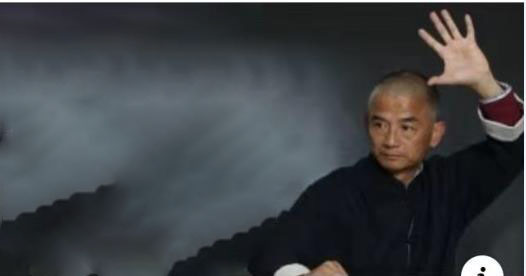
About Master Wang Zhixiang
Former Vice Chairman of the Shanghai Wushu Association, graduate of Shanghai University of Traditional Chinese Medicine. Studied under great Tai Chi grandmasters including Master Wang Zhuanghong, Master Dong Bin, and other prominent Tai Chi luminaries. Dedicated to sharing Water Tai Chi globally for over two decades.