The Sacred Maxim: Embrace with the Heart, Not the Hands
In traditional Tai Chi Chuan lore, the master's instruction for Embrace Tiger, Return to Mountain (Bao Hu Gui Shan) is legendary: 'Do not hold with the hands; embrace with the heart.' Master Wang Zhixiang explains that 99% of practitioners misunderstand this posture by turning it into a tense, muscular bear-hug with stiff arms. In authentic internal boxing, the arms merely outline a spacious spherical field generated from the chest and pelvis.
The 'Tiger' represents raw, untamed aggressive power. Embracing it means fully accepting incoming pressure without resistance, dissolving its violent momentum in an embrace of spherical emptiness.
Coordinating the Three Sections: Root, Middle, and Tip
To execute this posture correctly, the practitioner coordinates the Three Sections: the Root (feet and pelvis), the Middle (spine and ribcage), and the Tip (arms and fingers). When the pelvis turns, the spine naturally ripples, and the hands settle into place with effortless grace.
As the movement transitions into 'Return to Mountain', the practitioner sinks into deep stillness, grounded like an unshakeable peak. Mind, breath, and posture achieve unified serenity.
Frequently Asked Questions
Why shouldn't one squeeze with the arms in Embrace Tiger?
Squeezing with arm muscles tenses the chest and shoulders, destroying internal connectivity and making you easy to unbalance.
What does 'Return to Mountain' symbolize spiritually?
It symbolizes returning to inner stillness and sovereign grounding after intense martial interaction, resting in unshakeable peace.
What are the Three Sections in Tai Chi biomechanics?
The Root is the legs and pelvic foundation, the Middle is the torso and spine, and the Tip is the hands and extremities.
How does this posture neutralize an opponent in combat?
By wrapping around the attacker's trajectory with a relaxed torso curve, guiding their momentum into the earth before they can strike.
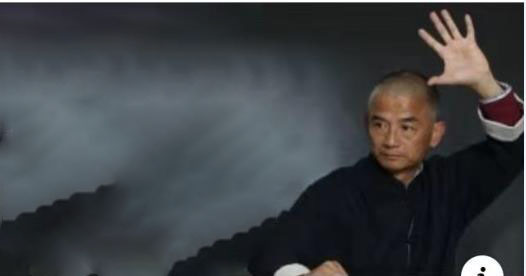
About Master Wang Zhixiang
Former Vice Chairman of the Shanghai Wushu Association, graduate of Shanghai University of Traditional Chinese Medicine. Studied under great Tai Chi grandmasters including Master Wang Zhuanghong, Master Dong Bin, and other prominent Tai Chi luminaries. Dedicated to sharing Water Tai Chi globally for over two decades.