Cultivating the Primordial Reservoir: The Dantian Connection
In the classical Taoist longevity arts, Yuan Qi (original primordial energy) represents the vital reservoir inherited at birth and preserved through wise living. In Part 2 of this series, Master Wang Zhixiang delves into the internal mechanics of harmonizing and replenishing this foundational storehouse through Water Tai Chi practice.
Rather than burning through physical energy via hyperventilation or high-intensity strain, internal meditation seeks to consolidate reserves. By sinking the awareness into the lower Dantian, practitioners activate deep abdominal breathing, encouraging internal heat and peaceful vitality.
Spinal Wave Mechanics and Marrow Nourishment
A crucial practice in Water Tai Chi is the gentle, undulating movement of the spine. When the lumbar region gently flexes and extends without compression, the kidneys and adrenal area receive gentle stimulation. In traditional terminology, this process supports bone-marrow vitality and deep postural stamina.
As physical tension melts away, breath becomes quiet, slow, deep, and uniform. Practitioners emerge from practice feeling grounded, mentally lucid, and thoroughly recharged from within.
Frequently Asked Questions
What is Primordial Yuan Qi in Tai Chi philosophy?
Yuan Qi is regarded in Chinese tradition as the fundamental vital energy stored in the kidneys and lower abdomen that sustains vitality and vitality reserves.
How does Dantian breathing differ from chest breathing?
Dantian breathing utilizes the full excursion of the diaphragm, expanding the lower abdomen softly on inhalation rather than raising the upper chest and shoulders.
What does the spine have to do with internal energy?
Gentle undulating spinal movement decompresses the intervertebral discs, stimulates spinal nerves, and facilitates effortless gravity transmission throughout the body.
How long should one practice to feel rejuvenated?
Even 15 to 20 minutes of attentive, relaxed practice can produce warmth in the hands, calm mental clutter, and enhance daily energy levels.
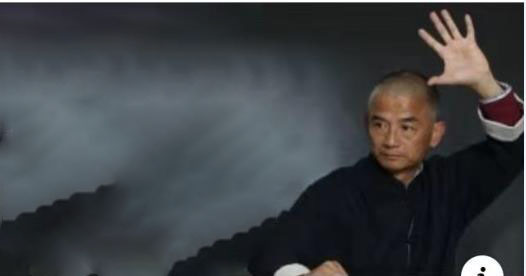
About Master Wang Zhixiang
Former Vice Chairman of the Shanghai Wushu Association, graduate of Shanghai University of Traditional Chinese Medicine. Studied under great Tai Chi grandmasters including Master Wang Zhuanghong, Master Dong Bin, and other prominent Tai Chi luminaries. Dedicated to sharing Water Tai Chi globally for over two decades.