The Dynamic Splitting Vector of Wild Horse's Mane
Among the most recognizable postures in Yang Style Tai Chi Chuan, Parting the Wild Horse's Mane (Ye Ma Fen Zong) exemplifies the explosive martial energy known as Lie Jin (diagonal splitting power). Master Wang Zhixiang reveals that the outward expansion of the arms is merely the visible expression of an internal split occurring between the hips and spine.
Starting from holding an energetic sphere between the palms, the practitioner steps forward diagonally into a rooted bow stance. One arm sweeps diagonally upward while the other presses downward past the hip.
Sliding Under Opponent Balance and the Concealed Shoulder Strike
Martially, this posture does not clash against incoming limbs. Instead, the practitioner's body slides beneath the attacker's center of gravity like the prow of a ship cutting through ocean waves. The rising forearm glides along the opponent's torso or underarm, wedging their root upward.
Simultaneously, if the distance collapses, the shoulder immediately delivers a powerful shoulder strike (Kao Jin). By maintaining an empty hip crease, whole-body mass unseats the opponent with effortless authority.
Frequently Asked Questions
What does 'Parting the Wild Horse's Mane' describe?
It evokes the sweeping gesture of stroking and parting a galloping horse's mane, symbolizing smooth yet decisive diagonal splitting power.
What is Lie Jin (Splitting Energy)?
Lie is one of the eight classical internal energies; it applies two opposing forces simultaneously to unbalance and separate an opponent's structure.
How does the shoulder strike (Kao) integrate with this posture?
The shoulder and chest lead the diagonal penetration; if the opponent resists the arm, the shoulder delivers whole-body kinetic impact directly.
How should the feet be placed in the final bow stance?
Feet are shoulder-width apart along a diagonal railroad track alignment, with 70% of the weight rooted forward and 30% in the rear.
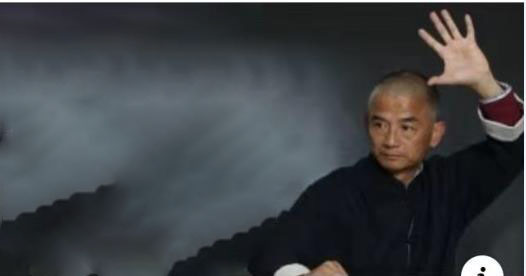
About Master Wang Zhixiang
Former Vice Chairman of the Shanghai Wushu Association, graduate of Shanghai University of Traditional Chinese Medicine. Studied under great Tai Chi grandmasters including Master Wang Zhuanghong, Master Dong Bin, and other prominent Tai Chi luminaries. Dedicated to sharing Water Tai Chi globally for over two decades.