The Central Gateway of the Yang Style Form
In the opening sequences of the traditional Yang Style 37 postures, Raise Hands and Step Up (Ti Shou Shang Shi) functions as a pivotal structural gateway. Often practiced casually by beginners, Master Wang Zhixiang teaches that this posture encapsulates the purest essence of central equilibrium and dynamic footwork agility.
As the practitioner shifts body weight entirely onto the rear leg, the front foot steps lightly on the heel with zero weight commitment. This allows instant responsiveness to changes in distance or opponent intention.
Effortless Upward Lift and Centerline Control
Martially, the posture captures and neutralizes an incoming strike by controlling the centerline. The forward hand rises vertically like a gentle ocean swell, while the rear hand guards the elbow. Instead of muscling the opponent's arm upward, the lift originates from sinking the hip crease (Kua) and gently lengthening the spine.
The opponent feels their center of mass lifted off the ground, leaving them vulnerable to instant counter-redirection while the defender remains immovably rooted.
Frequently Asked Questions
What is the unique footwork feature of this posture?
The front foot rests lightly on the heel with zero weight, allowing it to pivot, kick, or step instantaneously without transferring balance.
How does the upward hand lift the opponent without arm strain?
By sinking the pelvis downward, the spine acts as a counterweight lever, lifting the opponent's contact point through whole-body torque.
What role does the rear guarding hand play?
The rear hand protects the front elbow joint and balances the energetic triangle, creating an integrated defensive field.
How should breathing synchronize with this movement?
Inhale softly as the hands gather and rise, expanding the back; exhale gently as the body settles into the rooted rear stance.
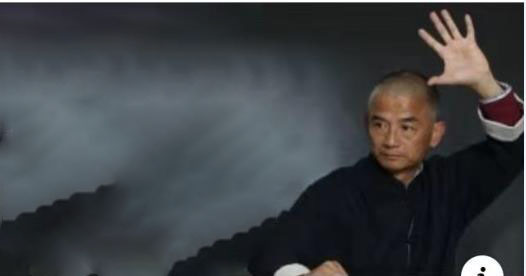
About Master Wang Zhixiang
Former Vice Chairman of the Shanghai Wushu Association, graduate of Shanghai University of Traditional Chinese Medicine. Studied under great Tai Chi grandmasters including Master Wang Zhuanghong, Master Dong Bin, and other prominent Tai Chi luminaries. Dedicated to sharing Water Tai Chi globally for over two decades.