The Architectural Elegance of Strike the Tiger
In the traditional Yang Style 37-posture curriculum, Strike the Tiger (Da Hu Shi) stands out as one of the most structurally dynamic postures. While superficial observers view it as a tense double-fist clash, Master Wang Zhixiang reveals its authentic internal nature: an elegant combination of upper deflection and downward grounding power driven purely by waist rotation.
The upper fist floats rounded above the brow line to shield the head, while the lower fist sinks alongside the hip crease. Together, they create an unbroken diagonal connection across the torso that channels whole-body mass directly into the ground.
Unleashing Spiral Energy Through Spinal Rotation
The explosive martial potential of this posture does not rely on arm strength. By coiling the pelvis and turning the lumbar spine like a hydraulic press, kinetic energy surges up from the rear heel, spirals through the spine, and expresses through both limbs simultaneously.
When an incoming attack is intercepted, the practitioner does not push against it. Instead, they spiral downward, drawing the opponent's momentum into their rooted center of gravity and dislodging their balance instantly.
Frequently Asked Questions
What does 'Strike the Tiger' symbolize in internal martial arts?
The 'tiger' symbolizes wild, uncontrolled aggressive force. The posture embodies subduing ferocious external violence through composed internal geometry.
How should the fists be held in this posture?
The fists remain hollow and soft, like holding an egg. Clenching too tightly locks the forearm muscles and breaks the energetic flow from the spine.
Why is waist turning critical for this posture?
Without waist turning, the movement degenerates into weak arm waving. The lumbar rotation drives both limbs as a single coordinated lever.
How does one protect the lower back during the downward coil?
Keep the Mingmen open, sink the tailbone naturally, and avoid leaning the torso forward past the rooted front knee.
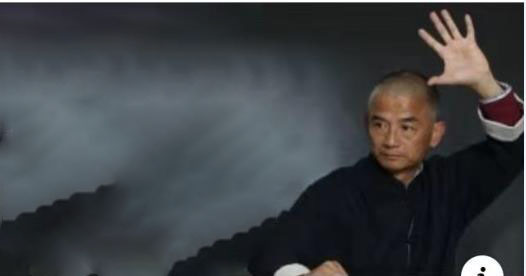
About Master Wang Zhixiang
Former Vice Chairman of the Shanghai Wushu Association, graduate of Shanghai University of Traditional Chinese Medicine. Studied under great Tai Chi grandmasters including Master Wang Zhuanghong, Master Dong Bin, and other prominent Tai Chi luminaries. Dedicated to sharing Water Tai Chi globally for over two decades.